News & media
The Classics Weekend: London and Madrid define a new era of European marathon running
The Classics Weekend brought together two of Europe’s one of the most influential road races, TCS London Marathon and Zurich Rock ’n’ Roll Running Series Madrid, in a single, powerful narrative that combined sporting history, record participation and the full emotional spectrum of marathon running.
Across two cities and two very different race profiles, Europe witnessed not just fast running, but a broader cultural moment: streets transformed into arenas, cities temporarily redesigned around movement, and tens of thousands of personal stories unfolding over 42.195 km.
London: a historic day of world records and unprecedented scale
In London, the marathon reached a level never seen before in its history. The event produced two world records in a single day, alongside record participation that confirmed its status as the most significant marathon on the global calendar.
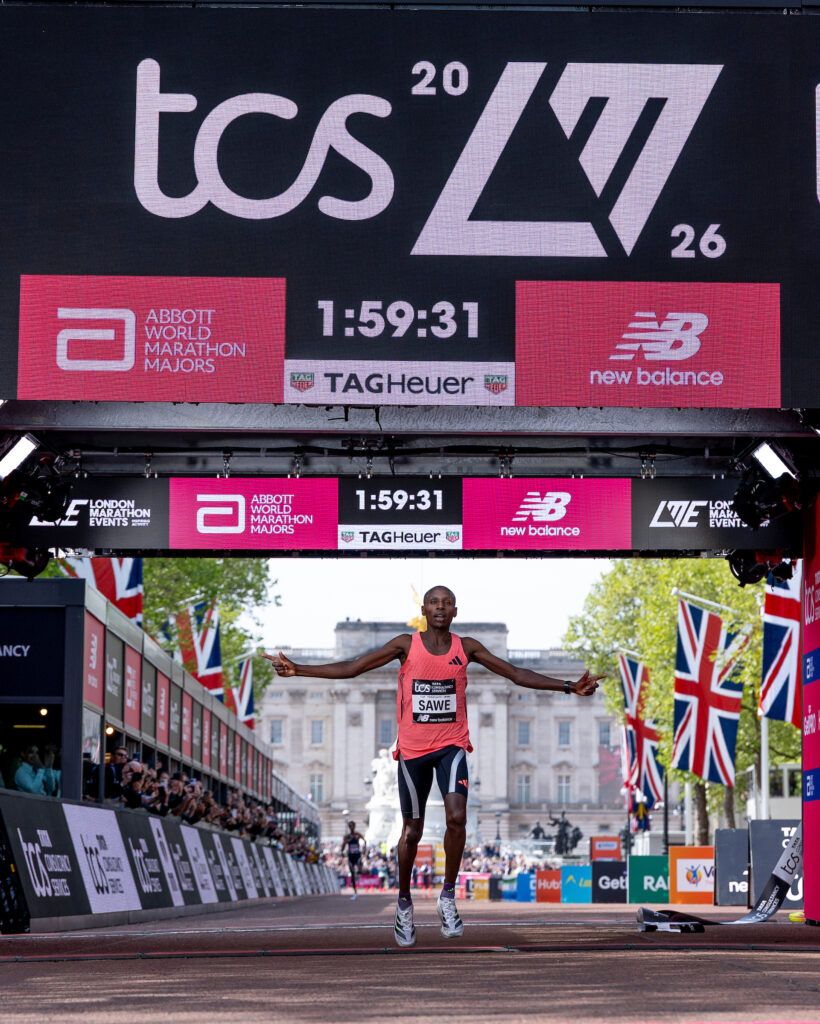
The men’s race delivered a performance that reshaped the boundaries of the sport. Sabastian Sawe won in 1:59:30, becoming the first athlete to break the two-hour barrier in a fully regulated marathon race. He held off Yomif Kejelcha (1:59:41) and Jacob Kiplimo (2:00:28), in one of the deepest and most intense marathon finishes ever seen.
In the women’s race, Tigst Assefa defended her title and broke her own world record, winning in 2:15:41 ahead of Hellen Obiri (2:15:53) and Joyciline Jepkosgei (2:15:55). For the first time in history, three women broke 2:16 in a single race, underlining the extraordinary depth of the field.
Men’s results
- Sabastian Sawe (KEN) – 1:59:30
- Yomif Kejelcha (ETH) – 1:59:41
- Jacob Kiplimo (UGA) – 2:00:28
- Amos Kipruto (KEN) – 2:01:39
- Tamirat Tola (ETH) – 2:02:59
Women’s results
- Tigst Assefa (ETH) – 2:15:41
- Hellen Obiri (KEN) – 2:15:53
- Joyciline Jepkosgei (KEN) – 2:15:55
- Degitu Azimeraw (ETH) – 2:19:13
- Reline Catherine Amanang’ole (KEN) – 2:21:20
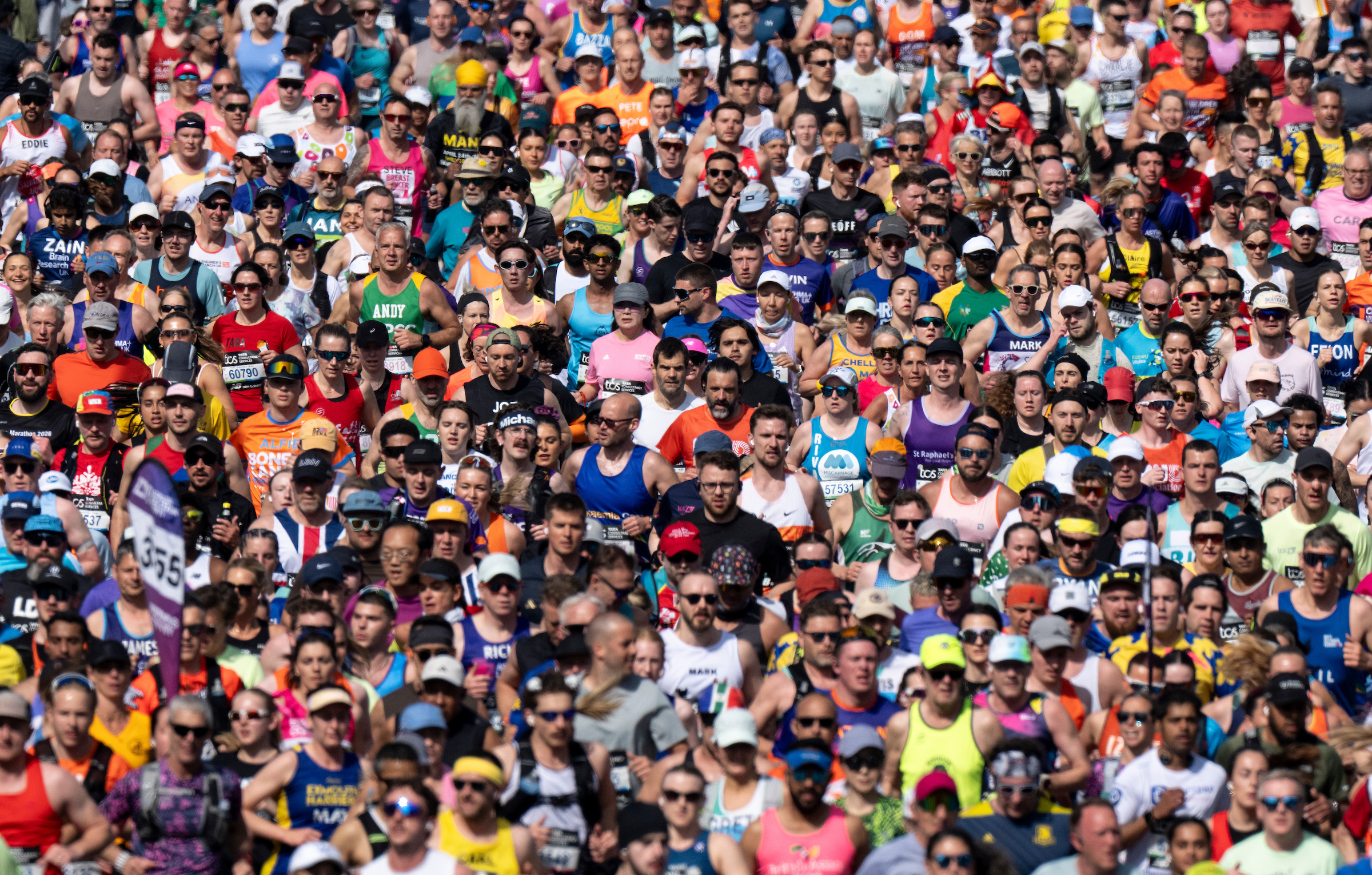
The scale of participation reinforced the historic nature of the event. 59,830 finishers crossed the line at The Mall, setting a new Guinness World Records title for the largest marathon ever held.
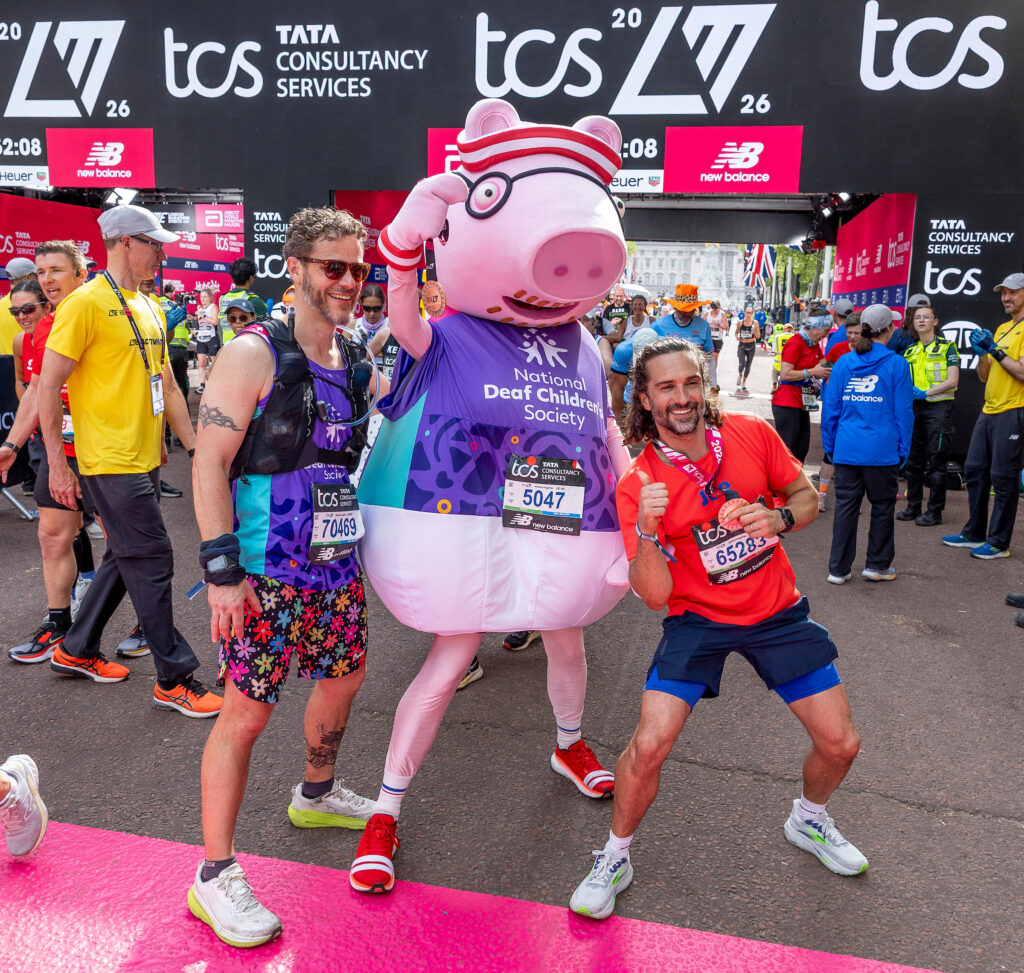
The day also produced an extraordinary number of additional achievements: across 71 Guinness World Records attempts, 38 records were broken, including Archie Hunt (fastest marathon dressed as a book character – 2:27:41) and Chelsea Grogan (fastest marathon with multiple sclerosis – 2:59:32).
As Hugh Brasher, CEO of London Marathon Events, said:
“Sporting and marathon history was set at the 2026 TCS London Marathon, where Sabastian Sawe and Yomif Kejelcha became the first athletes ever to run a sub-two-hour marathon under official race conditions and for the first time ever three women ran under 2 hours and 16 minutes in one race. To then break the record of the largest number of finishers in the history of marathons underlines the inspirational nature of the TCS London Marathon. We are incredibly proud to have set a new Guinness World Record.”
London stood as a unique convergence of elite performance, mass participation and global attention.
Madrid: rhythm, connection and a city running together
Madrid delivered a marathon defined by atmosphere, rhythm and collective energy. The Madrid Marathon unfolded through the streets of the Spanish capital in warm conditions that shaped a race of patience and steady progression rather than extremes.
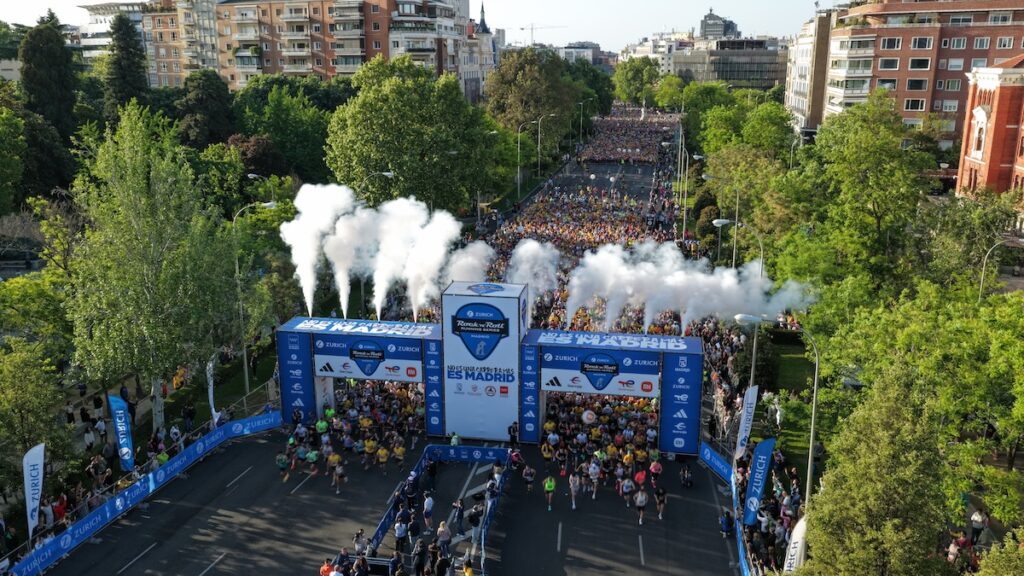
The finish on Paseo de Recoletos once again became a gathering point for thousands of spectators, turning the final kilometres into a shared emotional space between runners and the city.
Men’s results
- Mike Chematot (KEN) – 2:08:46
- Asefa Mengisa (ETH) – 2:09:06
- Dechasa Alemu (ETH) – 2:09:10
- Philemon Bett (KEN) – 2:10:03
- Gideon Chepkonga – 2:11:06
Women’s results
- Kena Girma (ETH) – 2:26:00
- Amente Sorome (ETH) – 2:27:43
- Leonida Mosop (KEN) – 2:32:49
- Zenebu Fikadu (ETH) – 2:33:14
- Etenesh Lema (ETH) – 2:34:01
Across all events in Madrid, the weekend gathered around 47,000 participants, including 11,777 marathon finishers representing 113 countries, with women making up 37% of the field.
Madrid confirmed its identity as a classic European marathon: not driven by record-breaking narratives, but by continuity, atmosphere and the shared experience of running through a living city.
Two races, one European identity
London and Madrid presented two complementary dimensions of modern marathon running in Europe.
London defined the extreme edge of performance and participation, with world records and unprecedented scale. Madrid expressed the enduring spirit of the marathon as a communal urban experience shaped by rhythm, environment and collective effort.
Together, they showed how European marathons continue to evolve, not in one direction, but across multiple dimensions of sport, culture and human experience.
Run Europe, Go Beyond Borders
The Classics Weekend confirmed the growing strength of European Marathon Classics as a unified platform connecting the continent’s most significant road races.
From London’s historic record-breaking day to Madrid’s emotionally charged city marathon, the weekend demonstrated that the modern marathon is defined not only by speed, but by its ability to bring cities and communities together in motion.